Starting your first allotment is an exciting step into growing your own fresh produce, but knowing where to begin can feel overwhelming. With limited space, time, and experience, choosing the right crops is key to early success. If you’re wondering what to grow on an allotment , focusing on low-maintenance, reliable vegetables will help you build confidence and enjoy the process from the outset.
Understanding what to grow on an allotment comes down to selecting crops that suit the UK climate, your soil conditions, and the time you can realistically commit.
Easy Vegetables For First-Time Allotmenteers
When deciding what to grow on an allotment, it’s best to start with vegetables that are known for being forgiving and productive. Potatoes are a classic choice, offering a high yield with relatively little effort, making them ideal for beginners. Salad leaves such as lettuce and rocket grow quickly and can be harvested multiple times throughout the season, giving you a continuous supply.
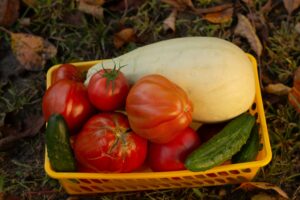
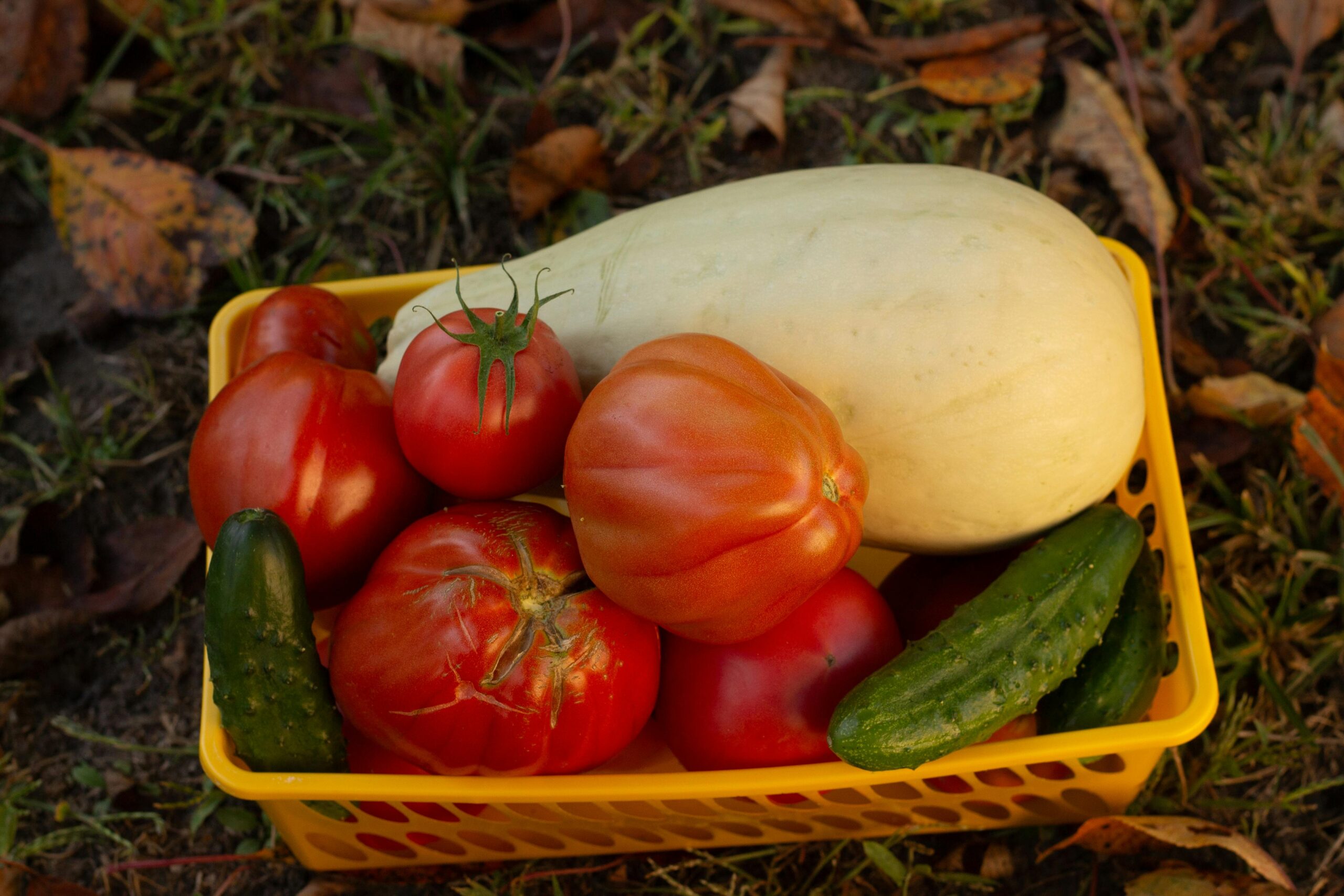
Carrots are another popular option, especially if you have loose, stone-free soil. They require minimal care once established and store well after harvest. Meanwhile, courgettes are famously prolific; just a couple of plants can produce more than enough for a household.
Low-Maintenance Crops That Deliver Results
If you’re short on time, choosing low-maintenance crops is essential when planning what to grow on an allotment. Onions and garlic are excellent choices as they require very little attention once planted and can be left to grow steadily over several months.
Beans, particularly runner beans and French beans, are also beginner-friendly. They grow vertically, saving space, and produce generously throughout the summer. Rhubarb is another great addition; as a perennial crop, it returns year after year with minimal upkeep, making it a long-term investment for your plot.
Fast-Growing Crops For Quick Wins
One of the most motivating aspects of allotment gardening is seeing quick results. Including fast-growing crops in your plan can make a big difference when deciding what to grow on an allotment. Radishes are one of the fastest-growing vegetables, often ready to harvest in as little as four weeks.
Spinach and spring onions are also excellent for rapid growth, allowing you to enjoy fresh produce early in the season. These crops not only boost confidence but also help you make the most of your space by filling gaps between slower-growing plants.
Crops That Thrive In The UK Climate
The UK’s temperate climate is well-suited to a wide range of crops, but some perform particularly well for beginners. Brassicas such as cabbage, kale, and broccoli are reliable and resilient, especially in cooler conditions.
Leeks are another strong choice, offering a long growing season and excellent resistance to pests. When considering what to grow on an allotment in the UK, it’s worth prioritising crops that naturally align with local weather patterns to reduce the need for extra care or protection.
Tips For Planning Your Allotment Plot
Choosing what to grow on an allotment isn’t just about the crops themselves; it’s also about how you organise your space. Start small rather than trying to plant everything at once, as this will make maintenance more manageable.
Consider crop rotation to maintain soil health and reduce the risk of pests and diseases. Grouping crops with similar needs together will also make watering and feeding more efficient. Finally, don’t forget to leave room for paths and access, ensuring you can easily tend to your plants throughout the growing season.
Building Confidence As You Grow
As you gain experience, your understanding of what to grow on an allotment will naturally expand. Starting with simple, reliable crops allows you to develop essential skills without becoming overwhelmed. Over time, you can experiment with more challenging plants, diversify your produce, and tailor your plot to suit your preferences.
The key is to enjoy the process, learn from each season, and celebrate even the smallest successes along the way.