Sustainability starts right outside your back door. More gardeners than ever are finding ways to reuse, recycle and regenerate their outdoor spaces without sacrificing style or convenience. Collecting rainwater and choosing natural materials can dramatically reduce your environmental impact while saving money in the long run. One of the easiest and most effective tools for greener gardening is the 200l barrel — a sturdy, practical solution that can be repurposed as a rainwater butt and more.
Turn A 200l Barrel Into A Rainwater Butt
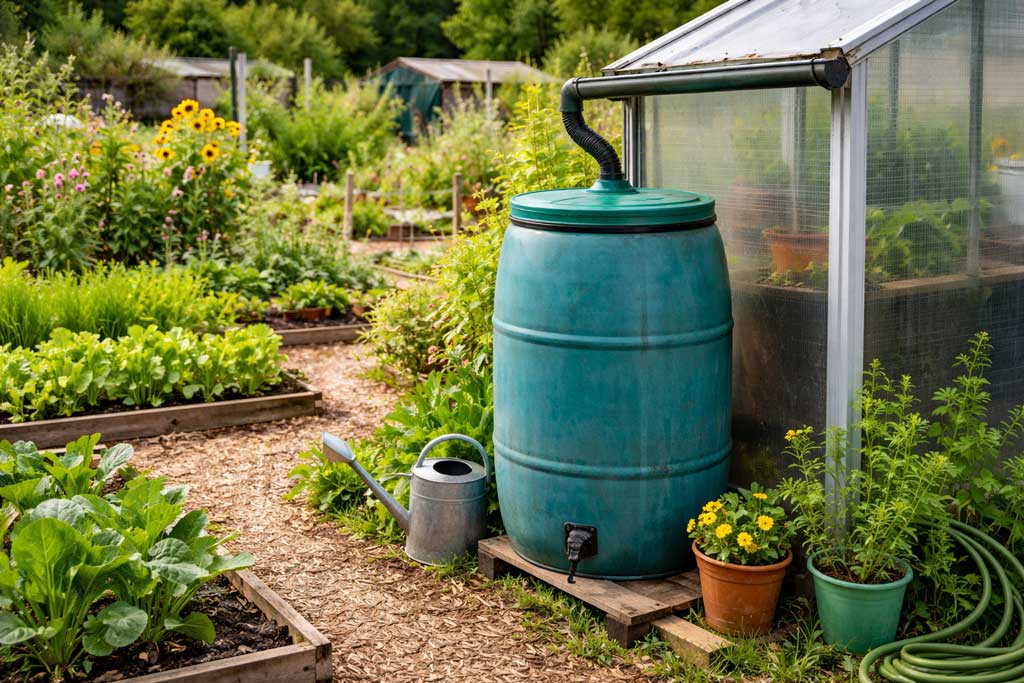
Capturing rainwater is one of the simplest ways to make your garden more eco‑friendly. A 200l barrel can be connected to your downpipe to collect water for later use on borders, hanging baskets and vegetable beds. Rainwater is naturally softer than tap water, so plants love it — especially those that dislike lime‑rich mains water. You can even add a fine mesh screen to keep debris out and prevent mosquitoes from breeding. For larger gardens, consider linking multiple barrels together with a simple hose connector to create a cost‑effective rainwater storage system.
Compost Kitchen And Garden Waste
Creating your own compost is another excellent step towards sustainability. Instead of sending food scraps or garden clippings to landfill, a compost heap or bin transforms them into nutrient‑rich soil improver. It reduces the need for commercial fertilisers, keeps waste out of the bin, and supports soil health. Mix green waste like vegetable peelings with brown materials such as twigs and shredded paper to create the perfect compost balance. Within a few months, you’ll have a free and organic soil booster for your beds and borders.
Make Smart Use Of Mulch
Once you’ve got your compost, you can go further by using mulch. Applying a thick layer around plants prevents evaporation, regulates temperature and suppresses weeds. Organic mulches — such as bark chips, grass clippings or home‑made compost — slowly break down and enrich the soil over time. It’s a simple, natural way to retain moisture, meaning less watering and healthier plants all year round.
Choose Native Plants And Wildlife‑Friendly Features
A sustainable garden encourages wildlife and reduces the need for maintenance. Native plants thrive in local conditions, which means less watering, fewer fertilisers and better biodiversity. Mix flowering plants for pollinators with shrubs and grasses that provide shelter for birds and insects. Adding a log pile, birdbath or insect hotel can also turn your garden into a thriving ecosystem. It’s a win‑win: less effort for you, and a safer haven for local species.
Use Recycled Or Upcycled Materials
Before buying new garden décor, see what you already have. Broken pallets can become rustic planters, old bricks make charming pathways, and an unused 200l barrel can even be transformed into a composter or vertical garden. Upcycling minimises waste, costs less than buying new materials and adds unique character to your garden. For larger projects, look for reclaimed wood and metal at your local recycling centre — they’re often strong, affordable and eco‑friendly.
Embrace Solar Power In The Garden
Solar lighting and small solar pumps are a smart, renewable way to add atmosphere and function to your outdoor space. Solar‑powered security lights, pond aerators and water features cut electricity bills while reducing your carbon footprint. Most modern solar systems work even in cloudy weather, storing energy throughout the day to power your garden after dark. It’s an effortless step toward a self‑sustaining garden ecosystem.
Start A Small Vegetable Patch
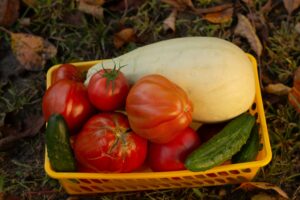
Growing your own vegetables isn’t just rewarding — it also reduces food miles and packaging waste. Whether you plant herbs in containers or turn a corner of your garden into a raised bed, every little bit helps. Use water from your 200l barrel to irrigate your crops, and supplement them with home‑made compost for a completely closed‑loop system. Even on a small scale, home‑grown food supports a healthier planet and a deeper connection with nature.
By making a few thoughtful changes, you can transform your garden into a thriving, sustainable space that conserves water, supports wildlife and reuses materials creatively. The humble 200l barrel is a simple first step toward greener living — proof that sustainability can start right at home.
Featured image credit: AI generated.